
Raising an autistic child comes with its own unique set of questions and challenges. Below, we answer some of your most frequently asked questions about behavioral strategies, how to calm your autistic child and how to interact with your child’s school.
What are the best behavior strategies for a child with autism?
The best behavior strategies focus on understanding behavior as a form of communication. Once you figure out what your child is trying to tell you, you can respond in a way that addresses the true cause of the behavior.
Consistent routines, clear expectations, and positive reinforcement are all great starting points. If you find your child is often overwhelmed, you can try teaching them a way to leave the situation before it happens. Practice often when your child is calm so they are prepared when they face a difficult situation.
If your child is already upset, that is not the time to teach a new skill. Focus on safety first, not giving instructions. Keep the environment calm, avoiding giving directions, and save teaching for when your child is calm and ready to learn.
What calming strategies work for kids with autism?
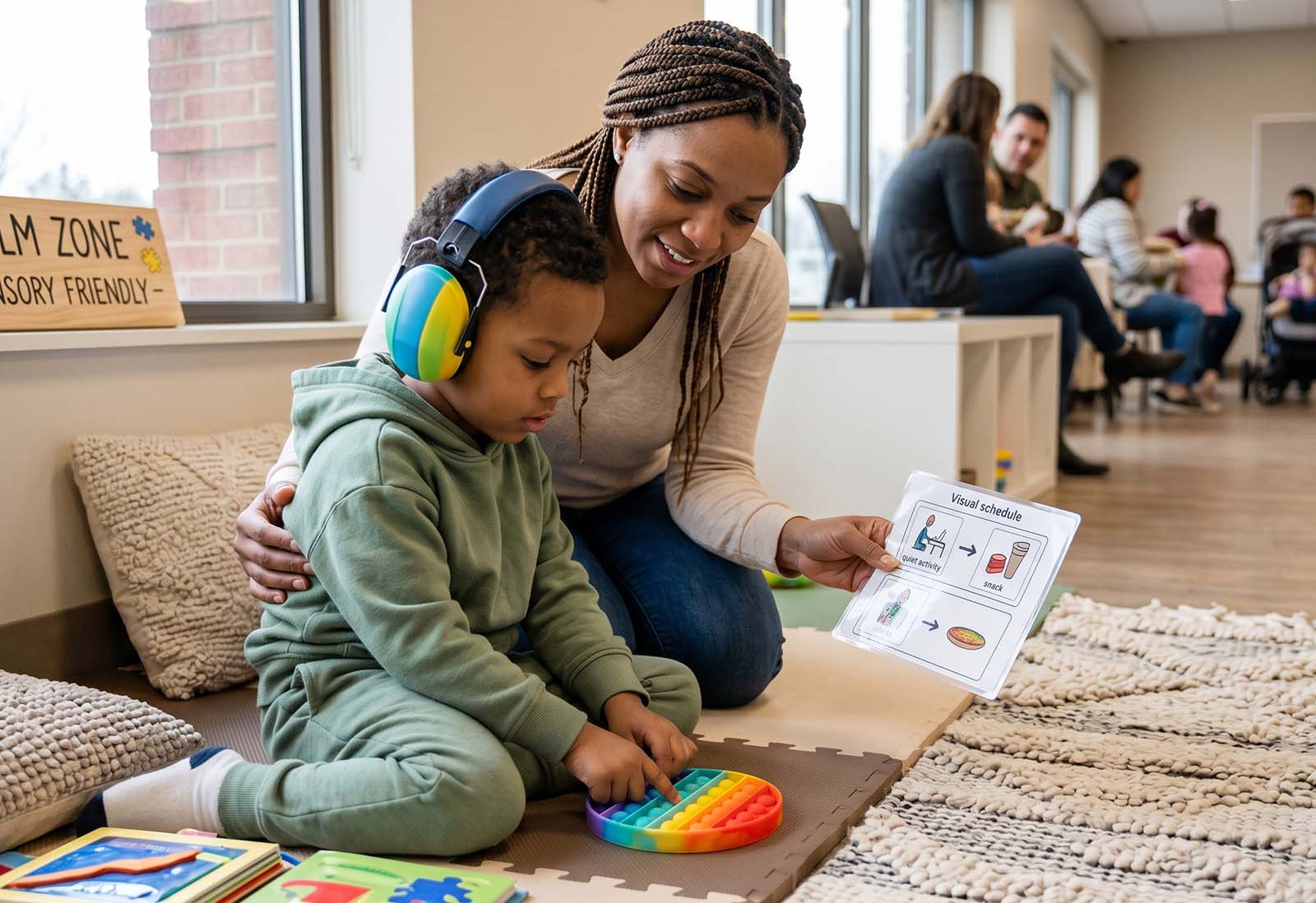
Effective calming strategies vary by child. Some children may like sensory supports like weighted blankets, fidget toys, or noise-canceling headphones. Movement, such as swinging or walking, can also help . Provide these to your child regularly, so they have them before they need them. Practicing these strategies during calm moments makes them easier to use during stress.
Why does my child have meltdowns?
Meltdowns and tantrums usually indicate your child has encountered something difficult to handle and doesn’t yet have the skills to respond effectively. Some common triggers for meltdowns or tantrums include difficulty communicating needs, sensory differences, changes in routine, or having to end an enjoyable activity. Paying attention to when and where meltdowns happen can help you identify patterns and prevent or reduce future episodes.
How can I prevent challenging behavior at home?
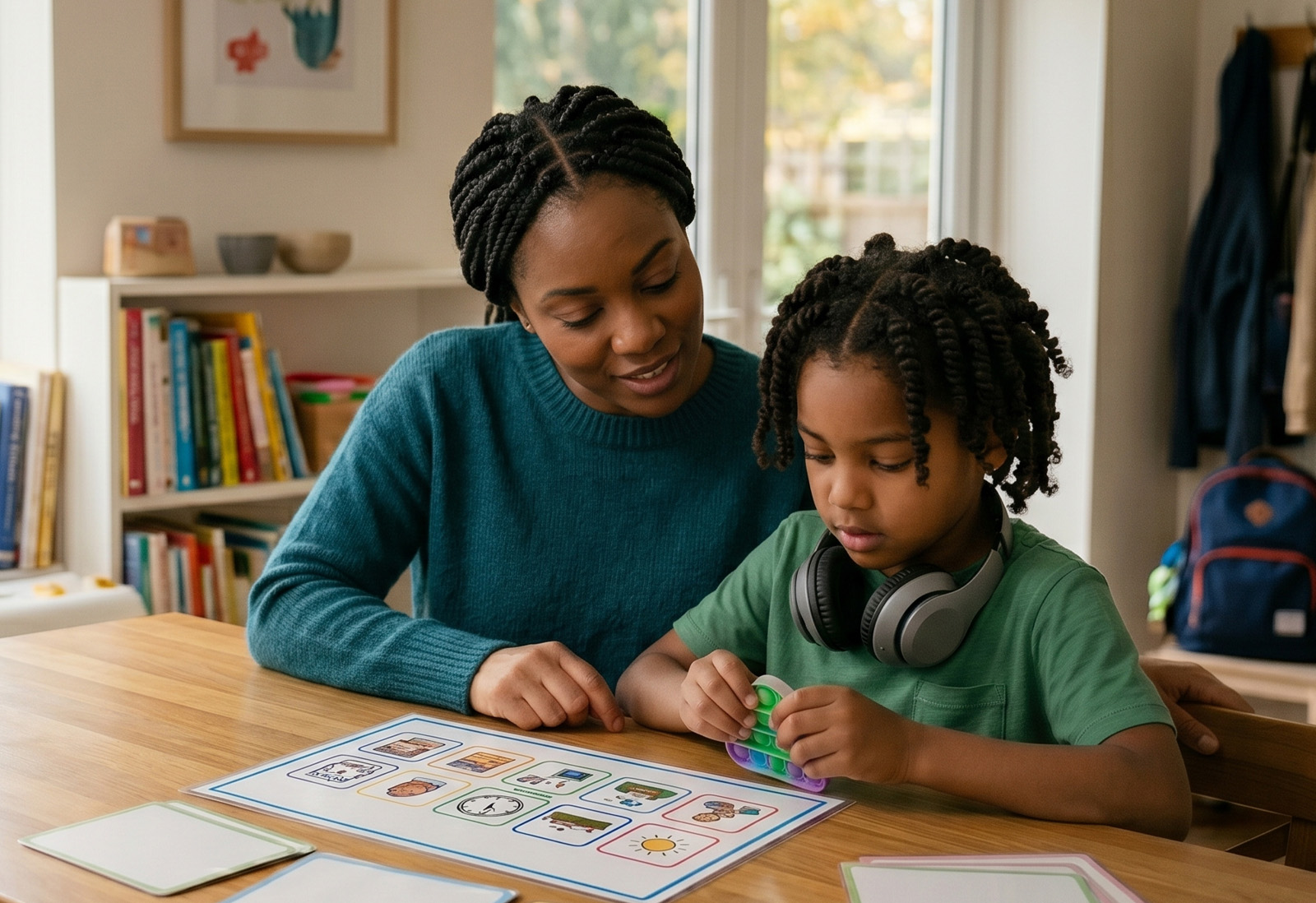
Preventing challenging behavior at home starts before the behavior ever happens — but it doesn’t stop there. A predictable routine, visual schedules, and giving your child a heads up before transitions (“Screen time ends in five minutes”) can cut down on a lot of the situations that lead to challenging behavior.
But how you respond when behavior does happen is just as important. Staying calm and consistent — and making sure challenging behavior isn’t accidentally giving your child a way out of something hard or getting them something they want — is what builds real progress over time. Pairing a structured home environment with a consistent response is one of the most effective things you can do for your child’s behavior.
Should I discipline my autistic child the same way as other children?
Traditional discipline like punishment, time-outs, or removing privileges often doesn’t work well for autistic children because it doesn’t address why the behavior is happening. If your child is acting out to avoid something hard or get something they need, punishment won’t fix that — it just makes things harder for everyone.
Effective behavior strategies for autistic children focus on teaching your child a better way to get their needs met, reinforcing the behaviors you want to see more of, and creating a calm, predictable environment that makes challenging behavior less likely. Getting to the root cause of behavior, not just reacting to it, is what leads to real progress.
How can I support good behavior at school?
Consistency between home and school is key. Share successful strategies with teachers and ask about what works in the classroom. Collaborative support helps your child feel more secure and understood.
How long does it take to see progress?
Progress can take time and often happens in small steps. Consistency and patience are essential, as every child develops at their own pace. Celebrate small wins—they are meaningful signs of growth.